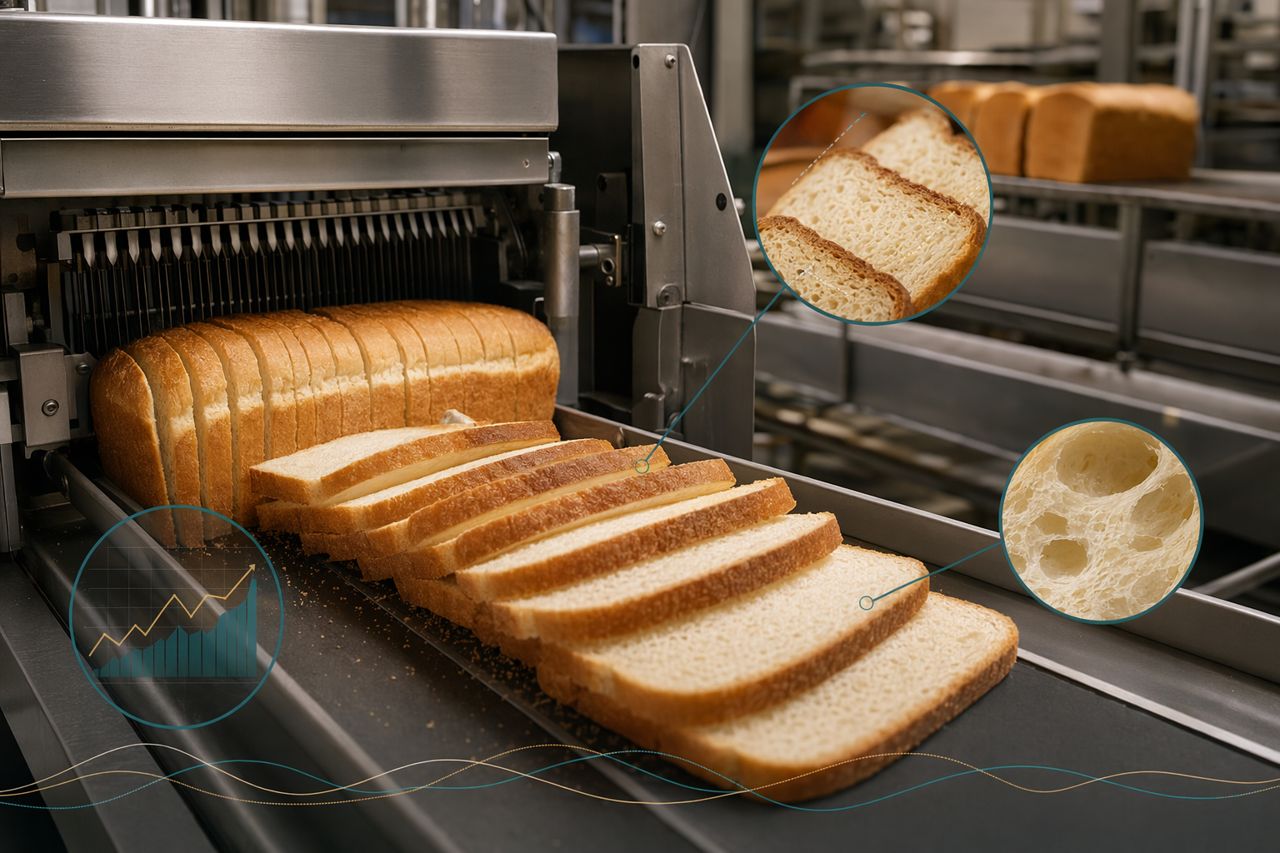
Softer crumb and steadier loaf volume for industrial bread lines
Firm crumb before the code date, low loaf height, tight grain, weak oven spring and dough that handles differently from one shift to the next cost a bread plant in rejects, returns and line stoppages.
Enzymehouse supplies enzymes to bread plants, improver blenders and distributors that need to fix softness and volume without making the loaf gummy, weak or hard to slice.
Wholesale and bulk supply for manufacturers and resellers. Tell us the bread type, the defect you see, the quantity you expect to buy and the destination country, and we will come back with a quote. Pack format and terms are quoted per order. Request a quote
The two complaints bakeries bring us most
The first is collapse: bread that sinks during fermentation. The second is bread that has turned dry and hard after one night. Bakery owners handle both with a compound enzyme made for bread, and they expect it to work with whatever flour they buy.
In industrial production the same problems show up as sticky dough, a rough texture, hard bread and quality that changes from batch to batch. Xylanase is one of the main tools here, and the outcomes plants work toward are a larger loaf, a fine and even crumb, a soft and elastic texture with a better chew, better water retention, slower staling and a smoother crust. It is inactivated during high-temperature baking and leaves no residue in the bread.
The source of the xylanase matters more than many buyers expect.
| Xylanase type | How it behaves | What that means on your line |
|---|---|---|
| Fungal | Works in acidic conditions, with a mild action | A gentler effect on the dough |
| Bacterial | Works across a wider pH range, with higher stability | More tolerance where dough conditions vary |
A quick check before you ask for a quote
- Note when the loaf fails: during proof (collapse) or after storage (dry and hard), because each one needs a different fix.
- Note whether the dough is sticky or the texture rough, and whether it changes from batch to batch.
- Tell us your dough pH range if you know it, so we can choose between a fungal and a bacterial xylanase.
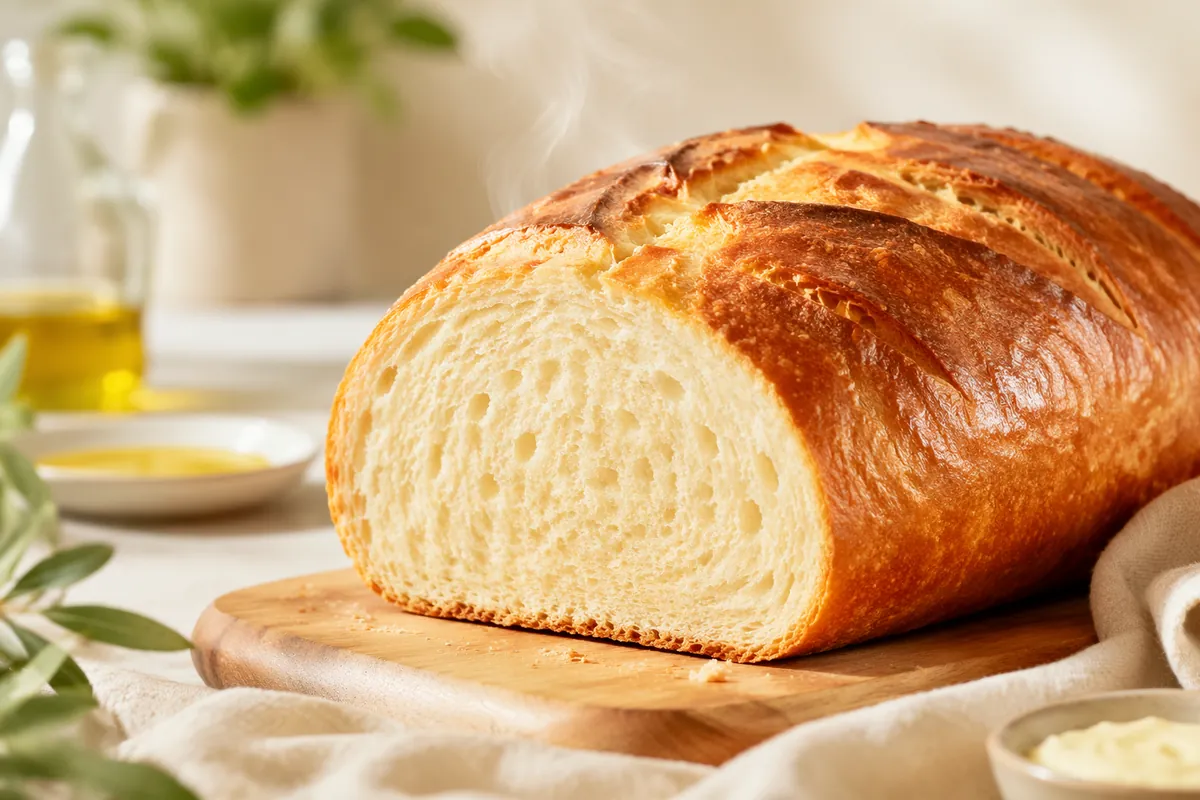
Common production issues
Firm crumb before the end of shelf life
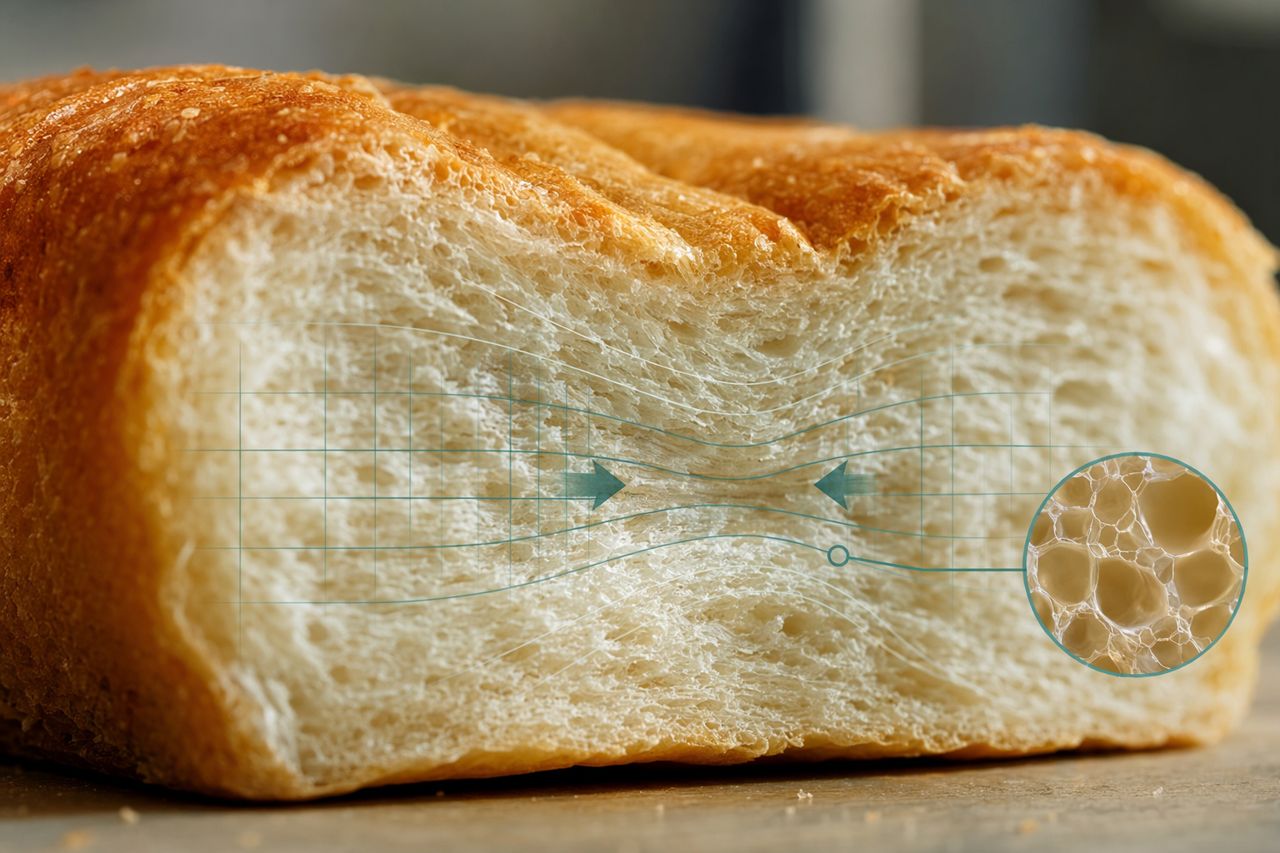
Firming is rarely caused by one ingredient. Starch behaviour, protein strength, fat level, hydration, process timing and packaging all play a part. The enzyme route has to improve softness retention without making the crumb gummy or hard to slice.
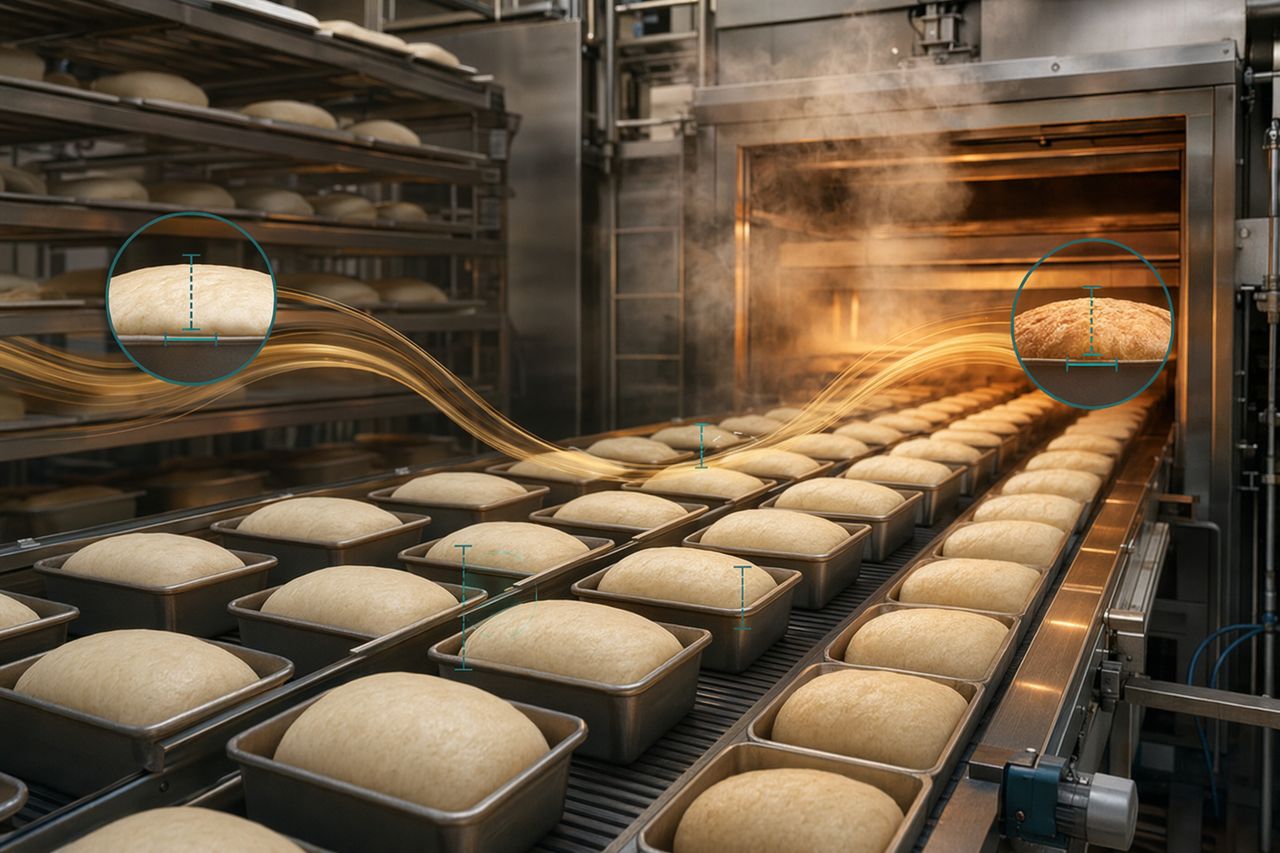
Low volume or weak oven spring
Poor oven spring can come from flour variation, dough strength, fermentation drift or weak gas retention. The enzyme choice should support dough extensibility and steady lift through the oven.
Tight grain or dense eating quality
A tight, closed crumb can eat dry even when formula moisture looks right. The target is a balanced crumb: soft, resilient and able to survive slicing, bagging and distribution.
Dough handling that changes across shifts
Flour lots change, mixing energy changes and fermentation timing shifts. A good enzyme system widens the process window so the line stays stable.
How we run a trial with you
- Define the problem: for example, crumb firms too quickly, loaf height varies or dough tightens at make-up.
- Choose the enzyme route: matched to your flour, formula, process window and finished bread.
- Run a controlled trial: compare handling, proof stability, oven spring, loaf shape, crumb, slicing and softness over shelf life against your current standard.
- Adjust for the line: refine around dough temperature, hydration, fermentation time or make-up stress.
- Confirm repeatability: the goal is the same result across shifts, not one good test bake.
Request a quote
Use the on-site form and send:
- Product: bread type, process (sponge, straight dough or no-time) and target shelf life
- Problem: firmness, volume, tight crumb, slicing waste or dough instability, and when it appears
- Quantity: approximate monthly use or the size of your first order
- Destination: the country you need it delivered to
If your team is still diagnosing the issue, we can help frame the trial. Wholesale and bulk supply for bread factories, improver blenders and distributors. Request a quote