Clean-label bread without the softness penalty
Retailers and private-label customers keep asking for shorter ingredient lists, and bread factories have to deliver them without losing softness, volume or shelf life on a high-speed line.
Enzymehouse supplies enzyme systems for that reformulation work, to bread plants, improver blenders and the distributors who serve them, so a clean label improver can take over work that legacy oxidants and chemical conditioners used to do.
Wholesale and bulk supply for manufacturers and resellers. Tell us the bread you are reformulating, what you want to remove from the label, the quantity you expect to buy and the destination country. Pack format and terms are quoted per order. Request a quote
The clean-label trap: a shorter label, a worse loaf
Bakers who reformulate for a cleaner label know the complaint: the cleaner the ingredient list, the worse the bread eats. The job is to keep softness and shelf life once chemical preservatives come off the label, and the stakes are real: about 10% of commercial bread is wasted because it goes stale. Enzymes fill that gap at very low addition levels because they work catalytically, and they hold up across different flour types and batch quality. They are also forgiving: the dose-response curve is wide and overdosing tolerance is strong, which matters on a line where weighing is not perfect. The same approach suits frozen dough. The results bakeries look for are a longer shelf life, a softer crumb that keeps its moisture, and wraps or flat breads that can be rolled and folded after storage without cracking.
Enzymes earn their place on a clean label because of where they stop working. Yeast is inactivated at around 55 °C, and the enzymes in the dough are destroyed during high-temperature baking, so they do their work in the dough and do not carry on in the finished loaf. Clean-label bakery work draws on a wide set of enzymes: lipase, amylase, xylanase, glucose oxidase, lipoxygenase, transglutaminase, protease and asparaginase.
| Clean-label goal | Enzyme family used for it |
|---|---|
| Volume and crumb quality with less fat in the formula | Lipase |
| Sugar balance and steady fermentation | Amylase |
| Workable dough without chemical conditioners | Xylanase |
| Softness and shelf life without preservatives | Amylase and lipase systems |
What to check before you switch
- Run the cleaner formula across more than one flour batch, because broad flour tolerance is the main reason to move to enzymes.
- Test a deliberate overdose in the trial, so you know how much weighing error the line can absorb.
- If you also run frozen dough, include it in the same trial rather than assuming the result carries over.
- For wraps and flat breads, fold-test after storage, not only on day one.
Where reformulation goes wrong on the line
Clean-label projects expose weak points fast. Dough may turn sticky, fermentation can drift, volume can fall and sliced loaves may tear or compress. Handle the change as a controlled plant project and check each stage:
- Current formula and improver stack: what exactly is coming off the label
- Flour quality range and seasonal variation
- Mixing energy and dough temperature targets
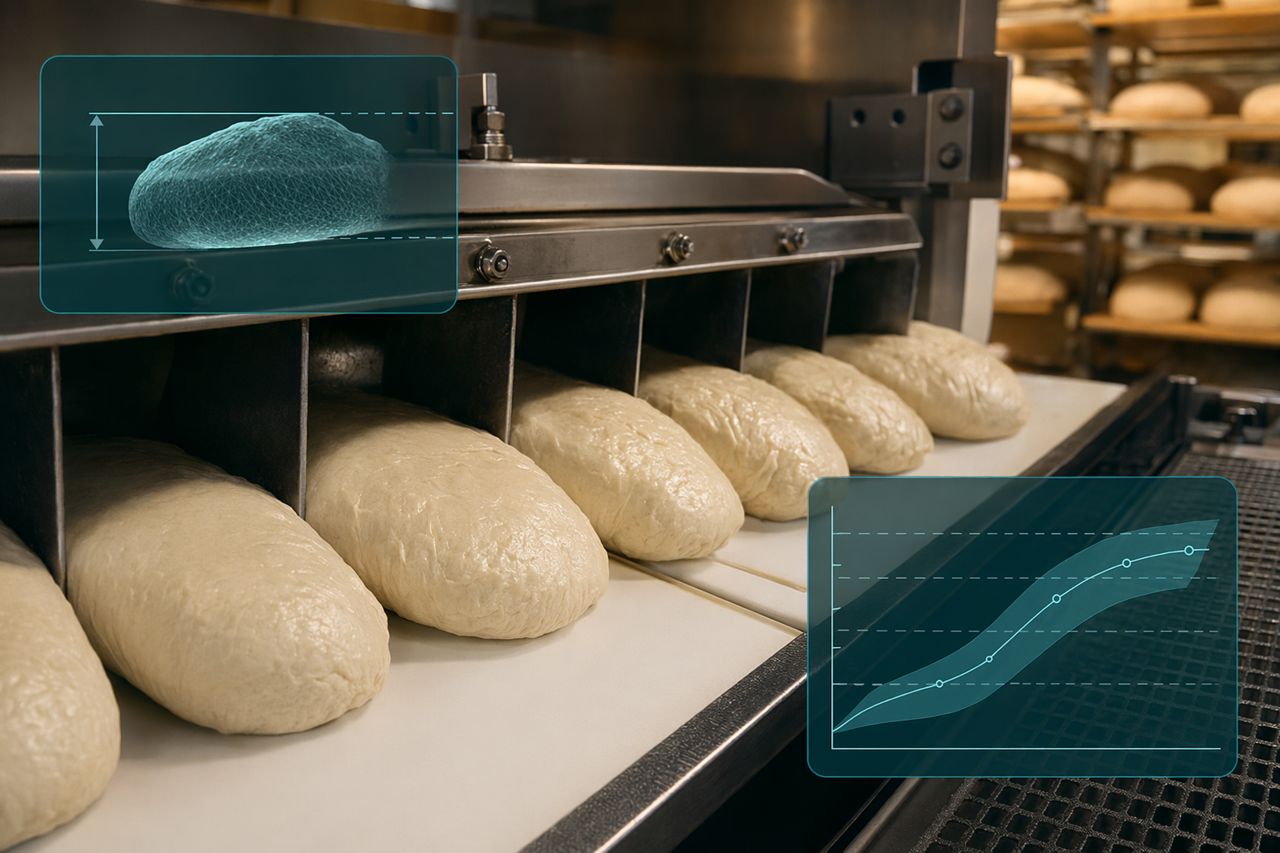
- Divider and moulder performance
- Proof response and tolerance window
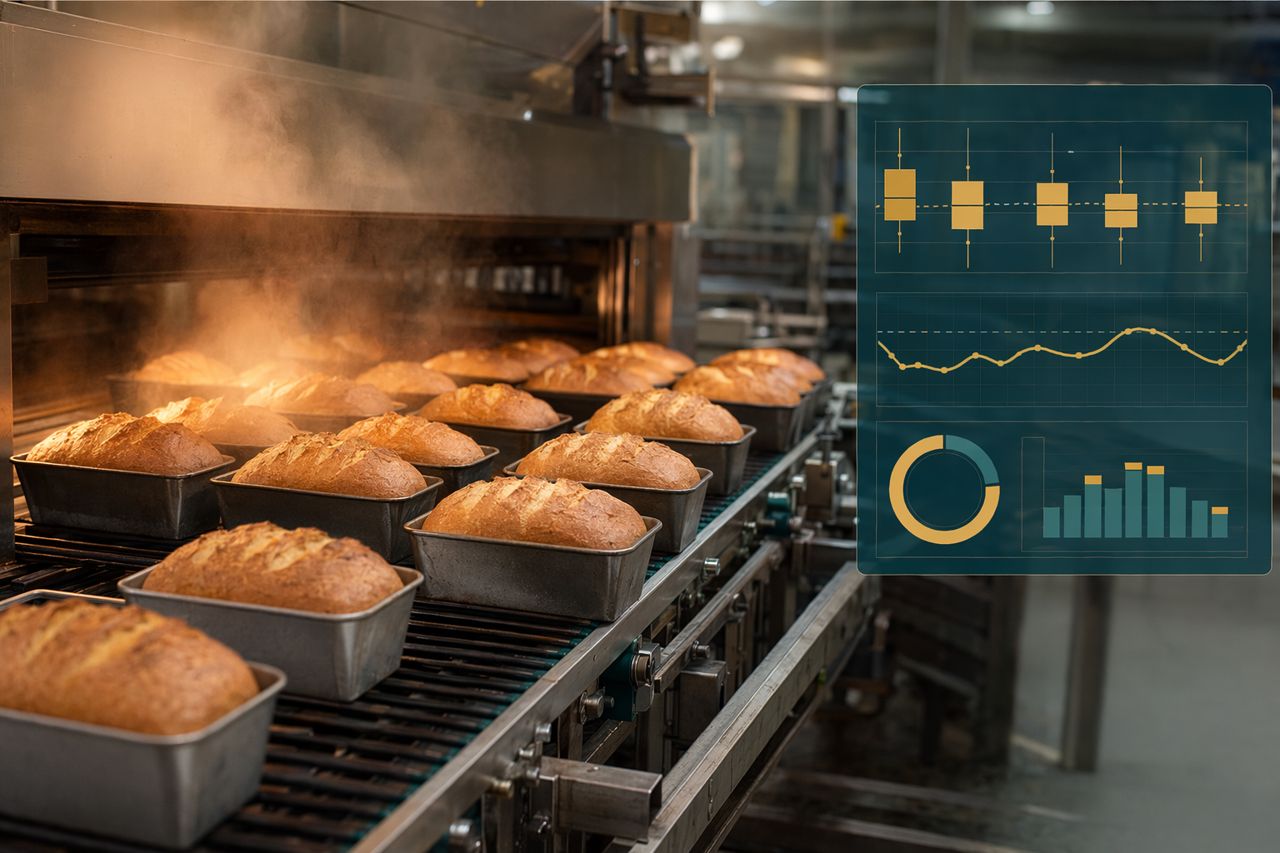
- Oven spring, loaf profile and cooling
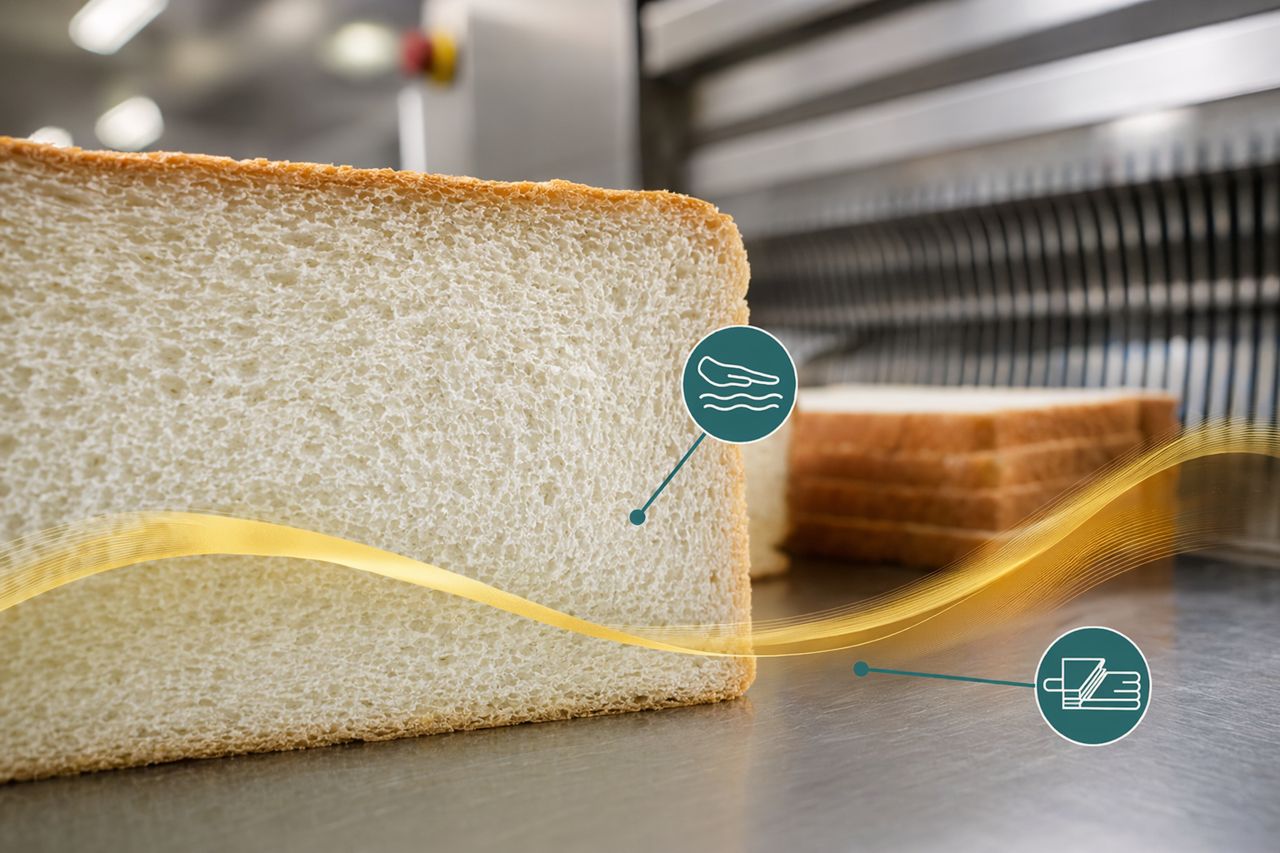
- Slicer condition, slice integrity and crumb resilience
- Softness over the full shelf-life window
That way you do not fix one problem and create another further down the line.
Where this work fits
- Packaged sandwich bread and sliced pan bread
- High-speed bun and roll production
- Soft white and wholemeal breads
- Toast bread
- Frozen or chilled dough
- Wraps and flat breads that must fold without cracking
- Improver ranges being rebuilt for clean-label customers
Request a quote
Use the on-site form and tell us:
- Product: the bread type and what you want to remove or replace on the label
- Quantity: approximate monthly use or the size of your first order
- Destination: the country you need it delivered to
- Target: softness, volume, dough tolerance, slicing or shelf life, and which matters most
We will come back with a recommended enzyme route and a quote. Wholesale and bulk supply for bread factories, improver blenders and distributors. Request a quote